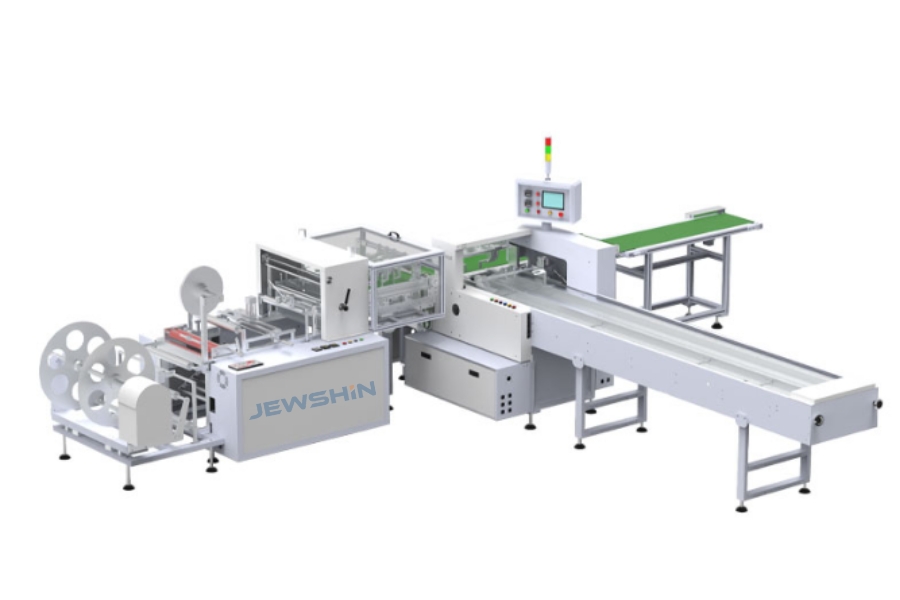
A reliable packaging machinery manufacturer should be evaluated through engineering capability, machine performance, service support, and total ownership cost. Buyers should compare measurable factors such as production speed, downtime rate, component quality, and customer references instead of focusing only on purchase price. For example, a machine running 18 hours per day with 95% availability can produce significantly more output than a lower-cost machine operating at 85% availability. Selecting the right supplier requires reviewing technical data, factory testing results, and long-term support plans.
The packaging machinery market has expanded with growing demand for automation, higher accuracy, and flexible production systems. In 2023, the global packaging machinery market was valued at more than USD 50 billion, with food, beverage, pharmaceutical, and consumer goods companies representing major users. Many manufacturers now require equipment that can handle multiple product sizes, reduce material waste, and connect with digital production systems.
Before buying packaging equipment, companies should evaluate whether the supplier can provide a complete solution rather than only a machine. A professional supplier should understand product features, packaging materials, production targets, and future capacity requirements.
The first step is checking the engineering background of a packaging machinery manufacturer. A supplier with years of mechanical design experience usually has better knowledge of machine structures, automation control, and production challenges. Buyers should review the company’s history, technical team size, previous installations, and industries served.
| Evaluation Item | What to Review |
|---|---|
| Engineering team | Mechanical, electrical, and automation specialists |
| Production history | Years of manufacturing experience and completed projects |
| Industry coverage | Food, pharmaceutical, cosmetics, chemical, and other applications |
| Customization ability | Ability to adjust machines for different products |
A supplier with more than 5 years of industry experience may have already solved common production issues such as inconsistent feeding, sealing problems, inaccurate filling, and unstable operation. These details should be confirmed through actual customer cases rather than marketing materials.
Machine design quality directly affects production stability. Packaging equipment often works continuously for thousands of hours every year, so mechanical accuracy and component selection are important. A small difference in machine structure can influence maintenance frequency, product quality, and operating efficiency.
Buyers should check:
-
Frame material and manufacturing process.
-
Servo motor and PLC brands.
-
Sensor accuracy and control response time.
-
Safety protection systems.
-
Ease of cleaning and maintenance.
For example, a packaging line operating 20 hours per day for 300 days annually completes around 6,000 operating hours. If downtime is reduced from 8% to 3%, the available production time increases by approximately 300 hours each year.
The next evaluation area is production performance. Machine specifications should be tested under real operating conditions because advertised speed does not always represent actual output. Product shape, packaging material, operator experience, and environmental conditions can affect results.
A factory acceptance test should include:
| Test Category | Recommended Data |
|---|---|
| Production speed | Units per minute or hour |
| Accuracy | Filling, weighing, or positioning tolerance |
| Waste rate | Percentage of rejected products |
| Running stability | Continuous operation duration |
For example, a filling machine designed for 120 bottles per minute should be tested with the customer’s actual bottle type and liquid material. A difference of 5% in filling accuracy can create noticeable material losses in large-volume production.
The supplier’s ability to provide customized solutions should also be reviewed. Different industries have different packaging requirements. Pharmaceutical companies may require strict hygiene standards, while food manufacturers may focus on fast cleaning and flexible packaging formats.
A suitable machine should match the production process, not force the production process to match the machine.
Companies should provide detailed information before requesting quotations:
-
Product dimensions and weight.
-
Packaging material specifications.
-
Required output per hour.
-
Available factory space.
-
Automation expectations.
This information helps the manufacturer design suitable equipment instead of offering a standard model with limited adaptation.
After technical capability, service support should be examined carefully. Packaging machinery requires installation, operator training, maintenance guidance, and spare parts availability. A supplier without effective support may create longer production interruptions when problems occur.
Service evaluation can include:
| Service Factor | Questions to Ask |
|---|---|
| Installation | Is on-site setup available? |
| Training | Are operators trained before production begins? |
| Response time | How quickly are technical issues handled? |
| Spare parts | Are replacement parts available for several years? |
Many international buyers prefer suppliers that provide remote support systems, detailed manuals, and video guidance. A response time within 24–48 hours is commonly expected for production equipment used in commercial manufacturing environments.
Customer references provide additional information about supplier reliability. Buyers should request examples from companies using similar machines and compare actual production results.
Useful reference checks include:
-
Installation date and machine operating period.
-
Production capacity achieved after installation.
-
Maintenance frequency.
-
Customer satisfaction with technical support.
A machine that has operated successfully for 3–5 years in a similar factory provides more useful information than a new machine demonstration without operating history.
Cost analysis should include more than the initial purchase price. Equipment selection should consider total ownership expenses, including energy use, spare parts, maintenance time, and production efficiency.
| Cost Type | Example |
|---|---|
| Purchase cost | Machine price and transportation |
| Installation cost | Setup and commissioning |
| Operating cost | Electricity and consumables |
| Maintenance cost | Spare parts and service |
A machine priced 15% higher may become more economical if it reduces downtime by 20% and requires fewer repairs over a 5-year period. Buyers should calculate expected production output and maintenance expenses before making a final decision.
Technology features are also becoming more important in modern packaging systems. Since 2018, many manufacturers have increased the use of digital controls, touchscreen interfaces, remote monitoring, and automated quality inspection systems.
Modern equipment may include:
-
PLC-based control systems.
-
Data recording functions.
-
Remote troubleshooting capability.
-
Automatic error detection.
-
Production information tracking.
These features help operators understand machine status and reduce manual adjustment time. For factories planning expansion, upgrade options can also prevent early equipment replacement.
When comparing suppliers, buyers should create a structured evaluation process. A comparison table can help identify differences between manufacturers.
| Category | Supplier A | Supplier B | Supplier C |
|---|---|---|---|
| Manufacturing experience | |||
| Production capacity | |||
| Customer references | |||
| Service support | |||
| Total operating cost |
A qualified packaging machinery manufacturer should provide transparent technical information, reliable machine performance, and clear service terms. Companies should review specifications, test results, and customer feedback together instead of making decisions based only on price.
Factory visits can also provide useful information. During a visit, buyers can check production equipment, assembly quality, testing procedures, and employee expertise. A manufacturer with organized production management usually has better control over equipment consistency.
Before signing a purchase agreement, companies should confirm:
-
Final machine specifications.
-
Delivery schedule.
-
Warranty period.
-
Installation responsibilities.
-
Training arrangements.
-
Spare parts list.
A detailed agreement reduces misunderstandings and creates clear expectations for both sides.
Selecting packaging equipment requires careful comparison of technical ability, machine reliability, service quality, and long-term operating costs. Companies that collect measurable information before purchasing are more likely to choose equipment that fits their production needs and supports stable operation for many years.